
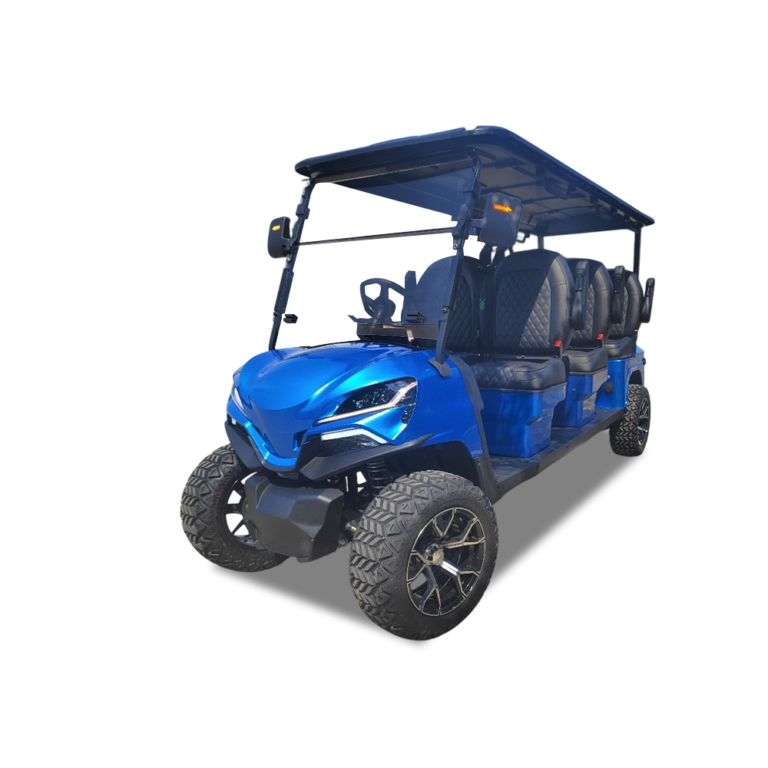
Hybrid golf carts combine electric driving support with gasoline-powered flexibility for longer operating hours, mixed routes, and commercial fleet use. Compare hybrid golf cart models for resorts, golf courses, parks, communities, and project buyers that need practical range and reliable export support.
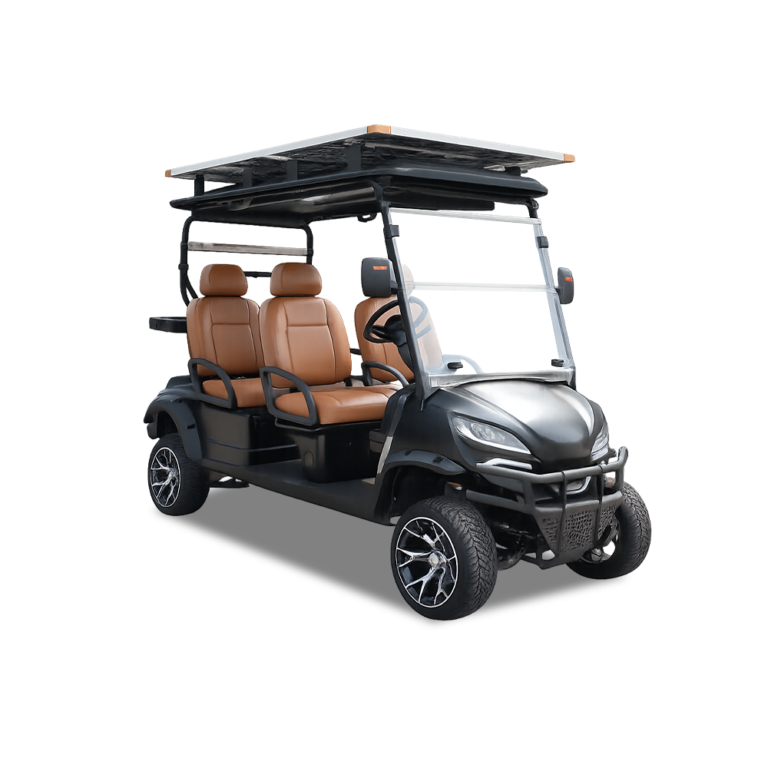
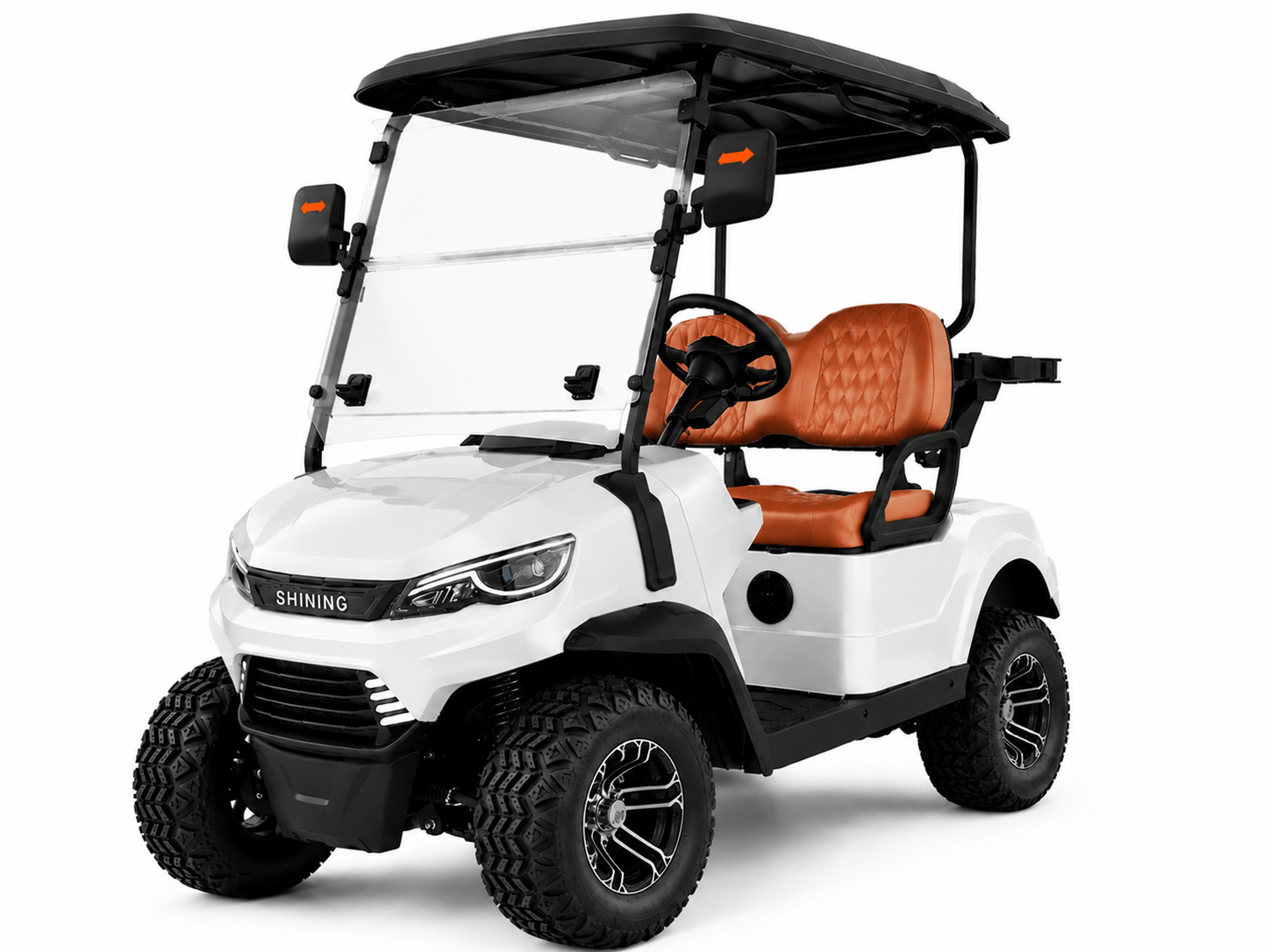
We offer comprehensive exterior color customization services for all golf cart models. Whether you need a fleet that matches your resort's brand image or an industrial vehicle set that aligns with your corporate color scheme, our factory can meet your needs with consistent, durable paint finishes. Specific paint colors may vary slightly from the online color swatches; please contact us for a specific color swatch.
Choosing the right battery system directly affects your fleet's operating cost, maintenance schedule, and long-term return on investment. We supply golf carts with both lead acid and lithium battery configurations -- each suited to different operational priorities.
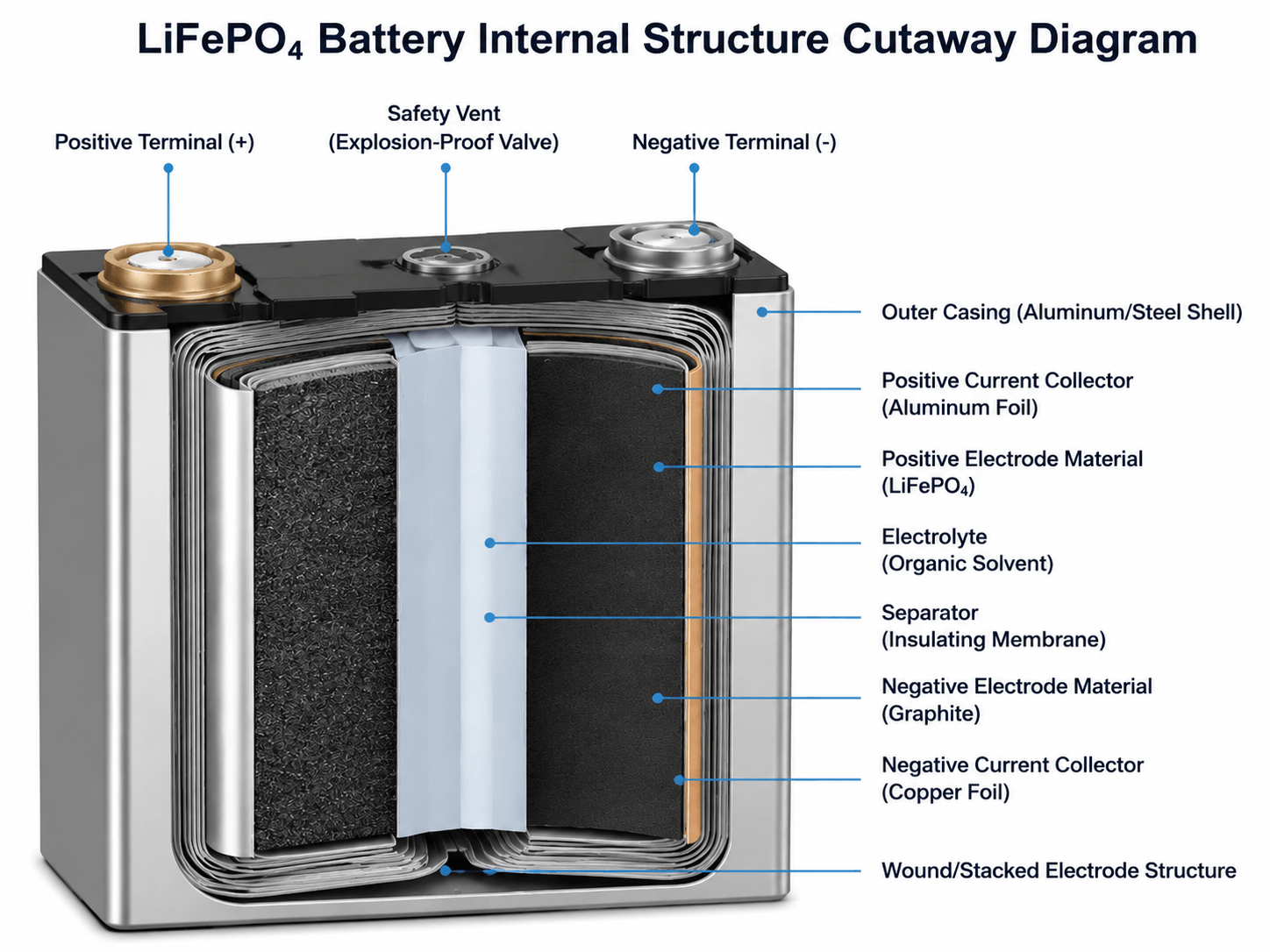
Lithium iron phosphate (LiFePO₄) batteries deliver superior cycle life, faster charging, and consistent power output throughout the discharge cycle. The preferred choice for high-utilization commercial fleets where downtime and total cost of ownership matter most.
| Battery Chemistry | LiFePO₄ (Lithium Iron Phosphate) |
| Typical Voltage | 48V / 72V (model dependent) |
| Capacity Range | 60Ah - 200Ah |
| Driving Range (per charge) | 80 - 160 km |
| Full Charge Time | 4 - 6 hours |
| Cycle Life | ≥ 2,000 cycles (80% capacity retention) |
| Operating Temperature | -20°C to +60°C |
| BMS Protection | Overcharge / over-discharge / short circuit / thermal |
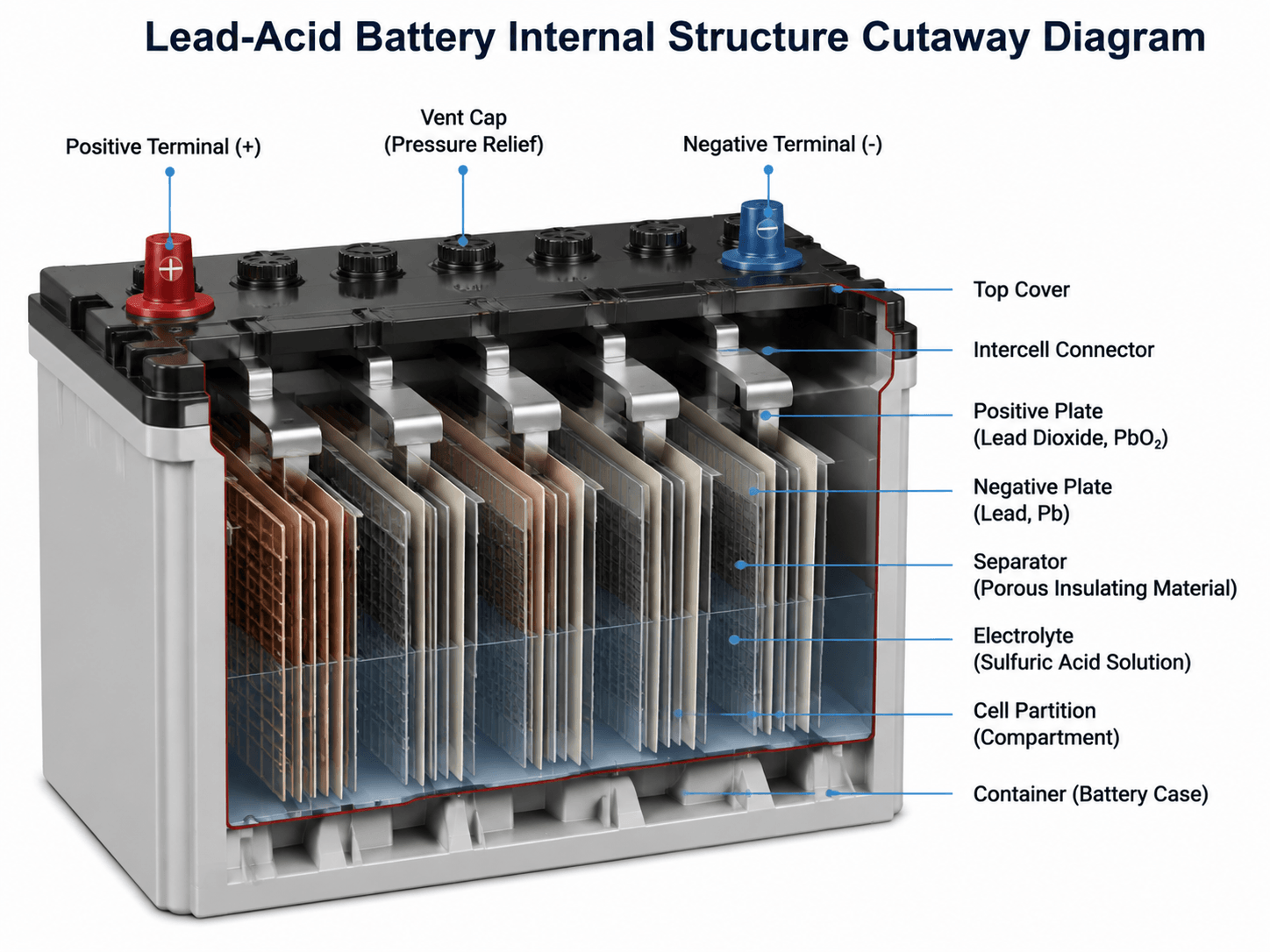
Flooded lead acid and AGM (Absorbent Glass Mat) batteries remain a cost-effective entry point for buyers managing tight capital budgets or operating in regions with established lead acid service infrastructure. A practical choice for lower-utilization fleets with access to regular maintenance.
| Battery Type | Flooded Lead Acid / AGM |
| Typical Voltage | 36V / 48V (6 × 6V or 6 × 8V cells) |
| Capacity Range | 105Ah - 225Ah |
| Driving Range (per charge) | 40 - 80 km |
| Full Charge Time | 8 - 10 hours |
| Cycle Life | 500 - 800 cycles (typical) |
| Maintenance Interval | Monthly water top-up (flooded type) |
| Replacement Cycle | 3 - 5 years under regular use |
Use this reference to match battery type to your fleet's operating profile and budget requirements.
| Parameter | Lead Acid | Lithium (LiFePO₄) |
|---|---|---|
| Main Advantage | Lower upfront cost, suitable for budget-conscious fleets | Longer lifespan, higher efficiency, and lower long-term operating costs |
| Initial Investment | More affordable purchase price, ideal for projects with limited budgets |
Higher initial cost but better return through extended service life |
| Service Life | 500–800 charge cycles for standard applications | ≥2,000 charge cycles for frequent and intensive use |
| Maintenance | Requires regular maintenance such as water refilling and battery checks |
Maintenance-free design with no regular water top-up required |
| Energy Efficiency | Reliable performance for standard daily operations | Higher energy efficiency with faster charging and longer runtime |
| Weight Advantage | Heavier structure provides stable performance at a lower cost | Higher energy efficiency with faster charging and longer runtime |
| Best Application | Golf carts, utility vehicles, and fleets with moderate usage requirements | Commercial fleets, resorts, golf courses, and high-frequency operations |
| Why Choose | A practical and economical solution for cost-sensitive projects | A premium solution for users who need longer service life and lower total ownership costs |
Compare engine configuration, displacement, rated output, fuel capacity, cooling, and starting system before selecting a hybrid golf cart model for your fleet.
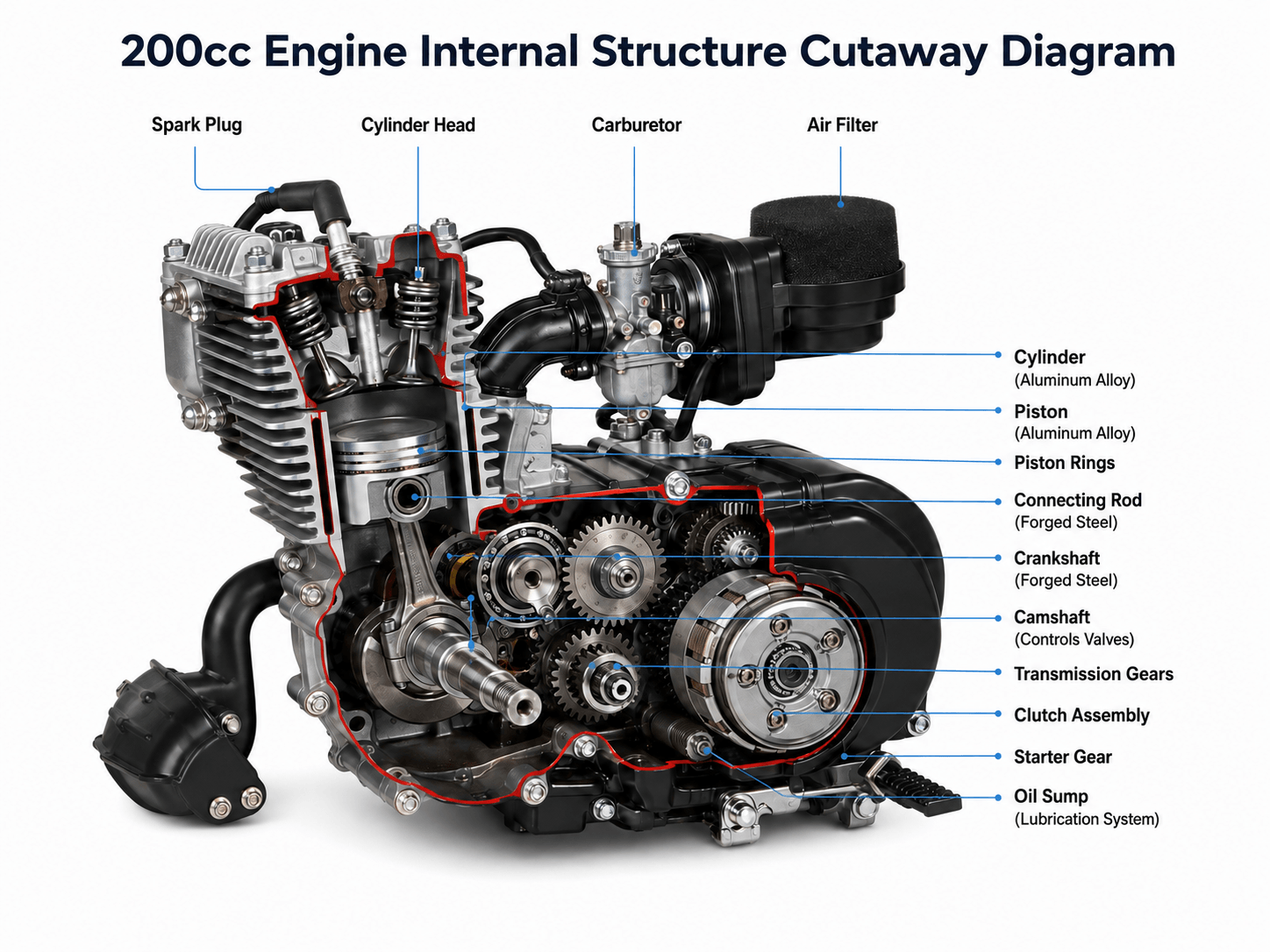
Compact gasoline engine option for hybrid golf carts that need practical range support, easy maintenance, and reliable daily fleet operation.
| Engine Model | 200cc Single Cylinder Engine |
| Engine Type | 4-Stroke, Single Cylinder, Air-Cooled |
| Displacement | 196cc / 200cc |
| Rated Power | 6.3 kW (8.5 hp) |
| Fuel Type | Gasoline |
| Fuel Tank Capacity | 20 L |
| Cooling System | Forced Air Cooling |
| Starting System | Electric Start |
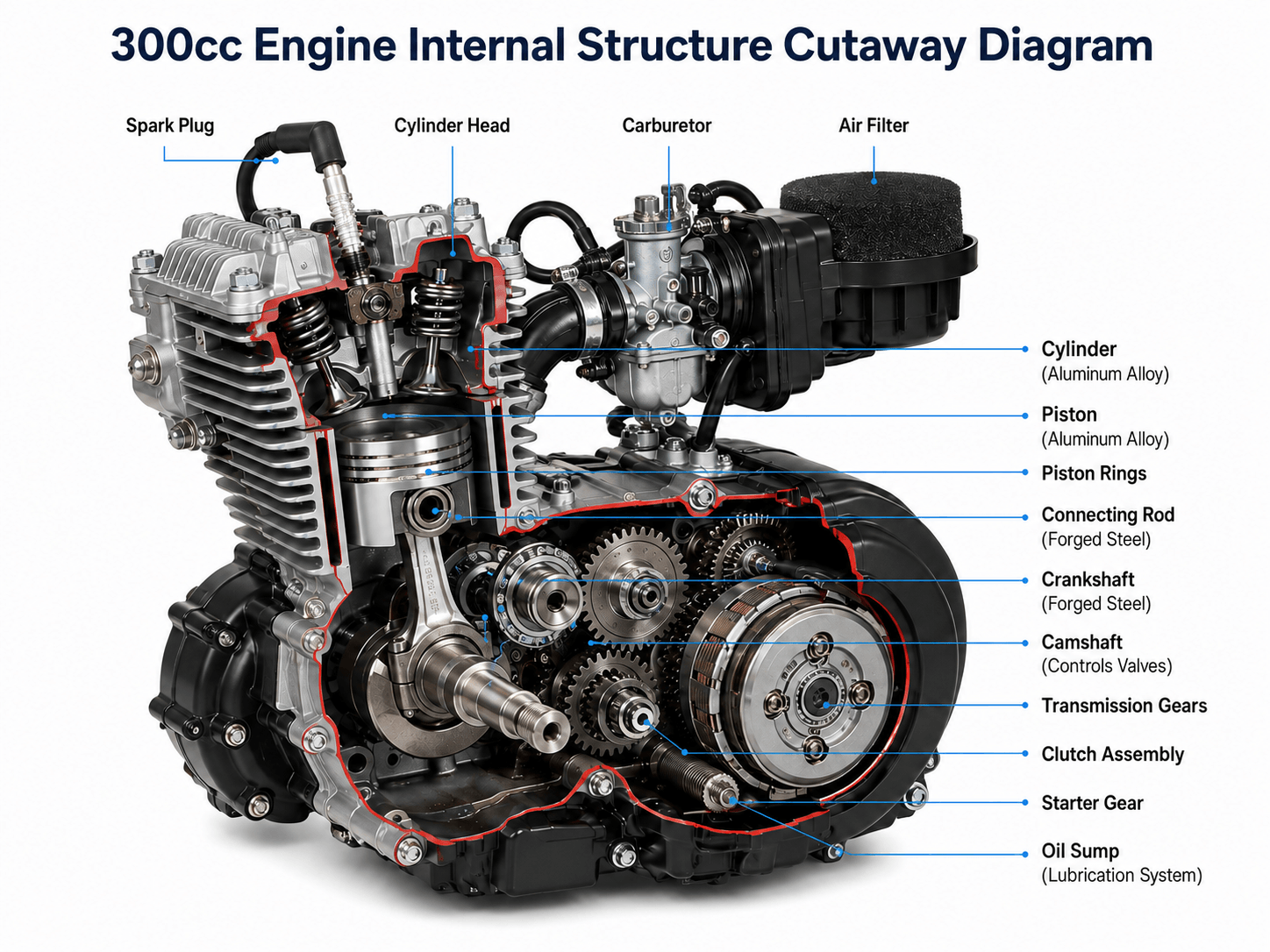
Higher-output gasoline engine option for hybrid carts used in heavier-duty routes, longer operating hours, and commercial passenger transport projects.
| Engine Model | 300cc Single Cylinder Engine |
| Engine Type | 4-Stroke, Single Cylinder, Air-Cooled |
| Displacement | 286cc / 300cc |
| Rated Power | 9.5 kW (12.7 hp) |
| Fuel Type | Gasoline |
| Fuel Tank Capacity | 20 L |
| Cooling System | Forced Air Cooling |
| Starting System | Electric Start |
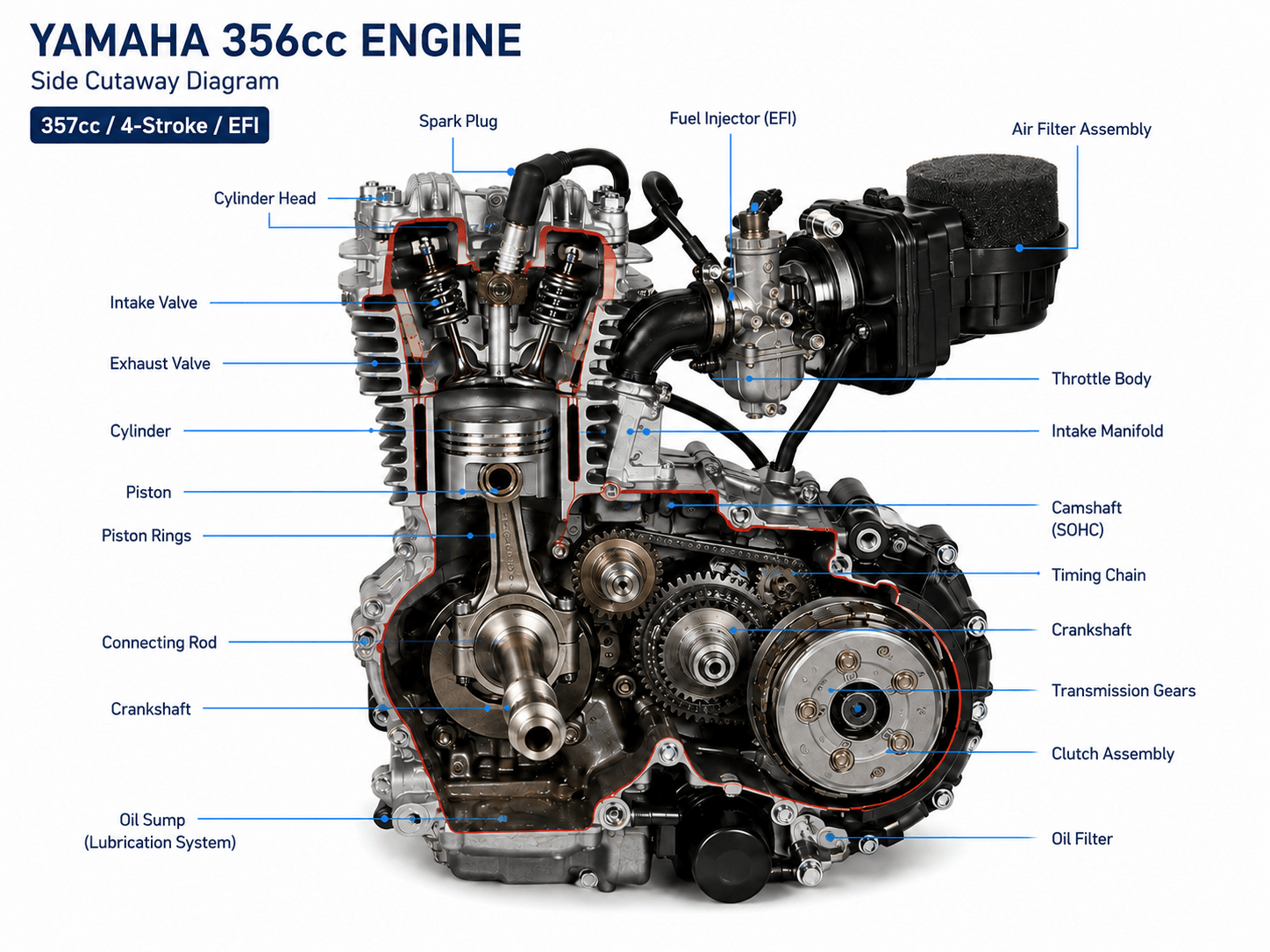
Commercial Yamaha engine option for hybrid golf cart fleets that require stronger torque, trusted reliability, and stable operation across demanding routes.
| Engine Model | Yamaha 365cc Engine |
| Engine Type | 4-Stroke, Single Cylinder, OHV |
| Displacement | 365cc |
| Rated Power | 8.5 kW (11.4 hp) |
| Fuel Type | Gasoline |
| Fuel Tank Capacity | 22 L |
| Cooling System | Forced Air Cooling |
| Starting System | Starter Generator / Electric Start |
Tell us about your project--fleet size, application, destination, and configuration requirements. Our export team will respond within 24 hours with pricing and availability.